Lagada

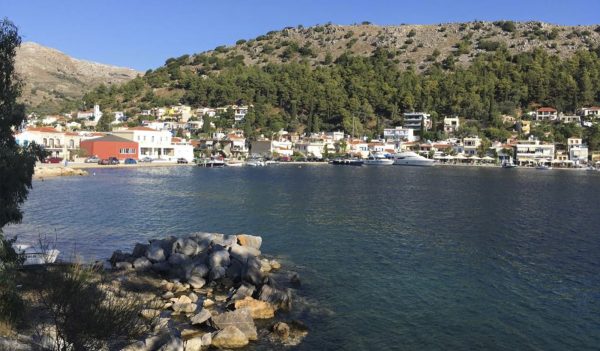
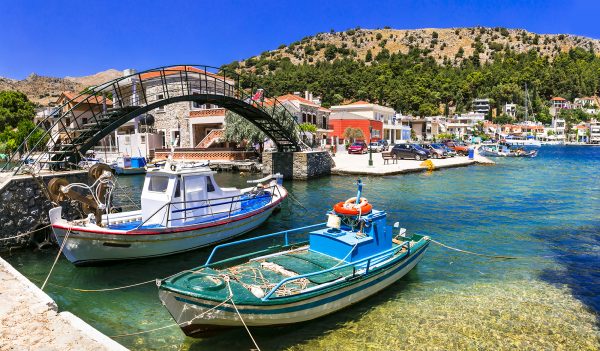
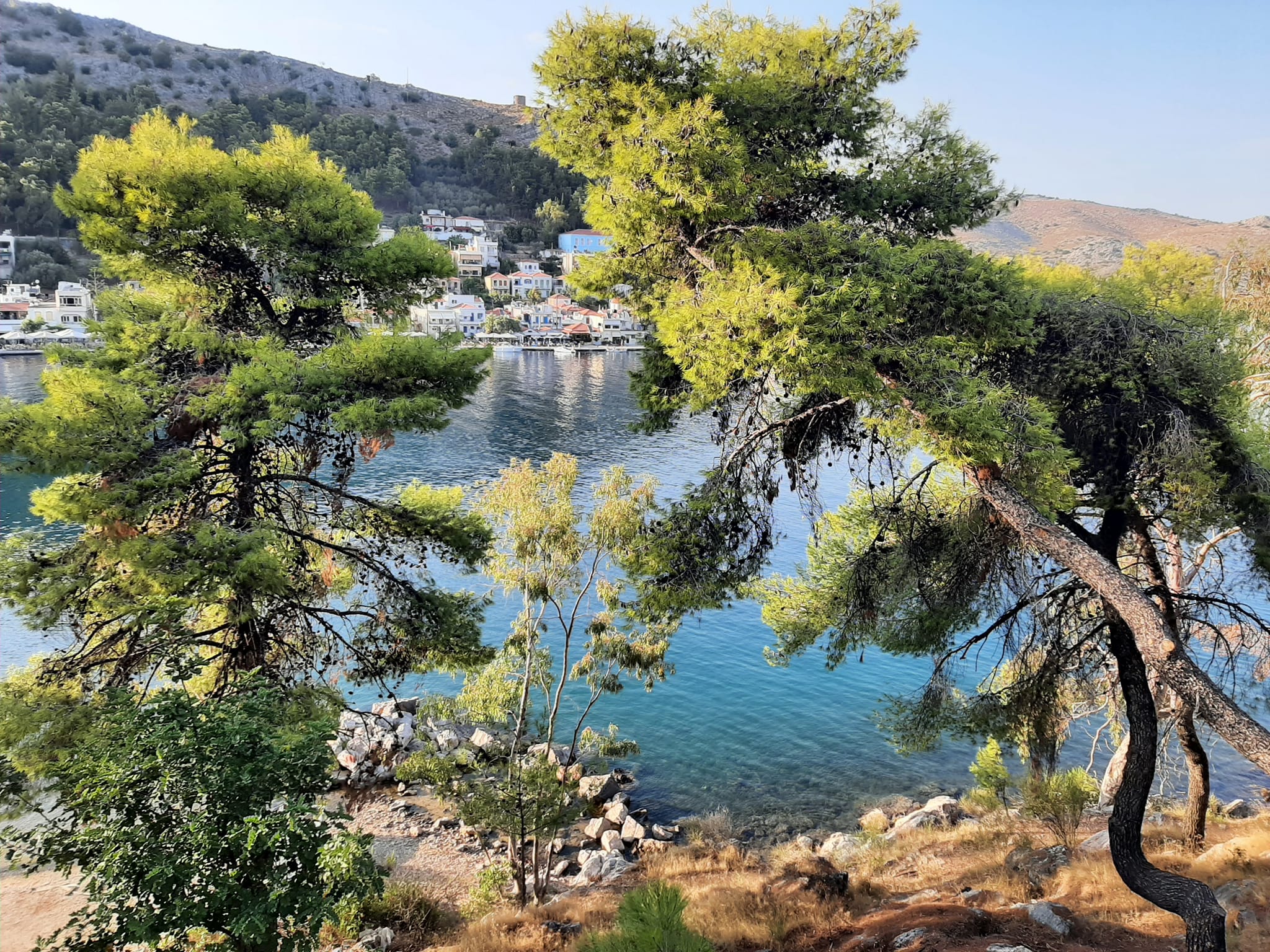
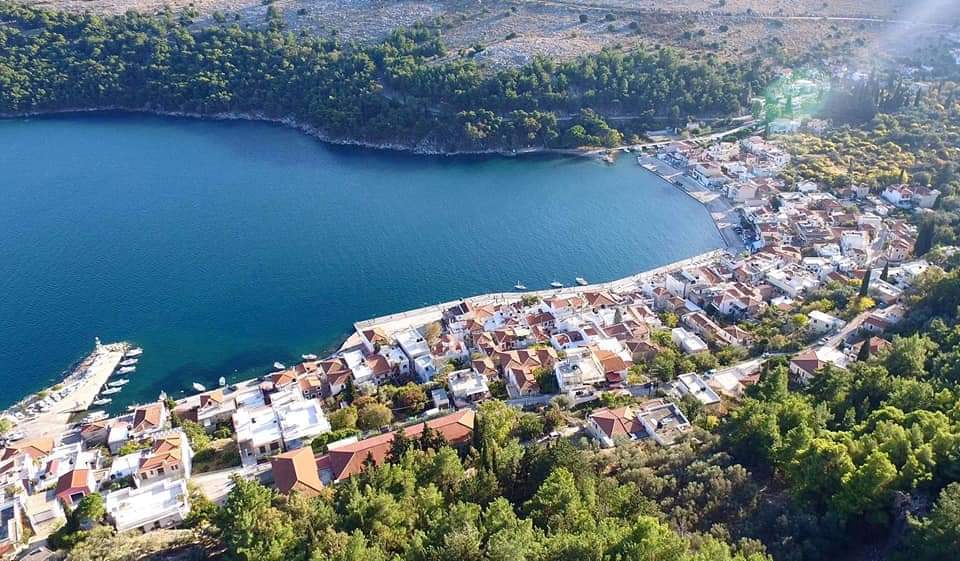
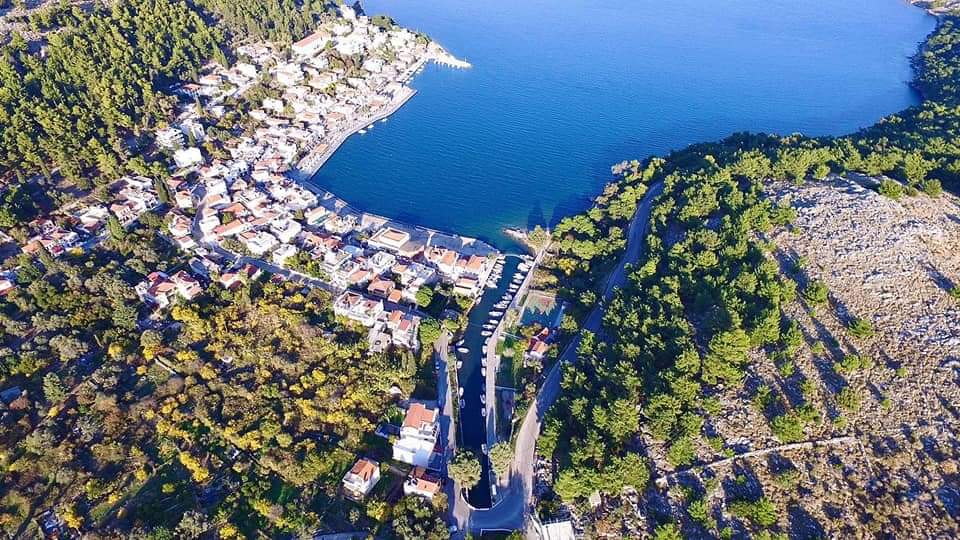
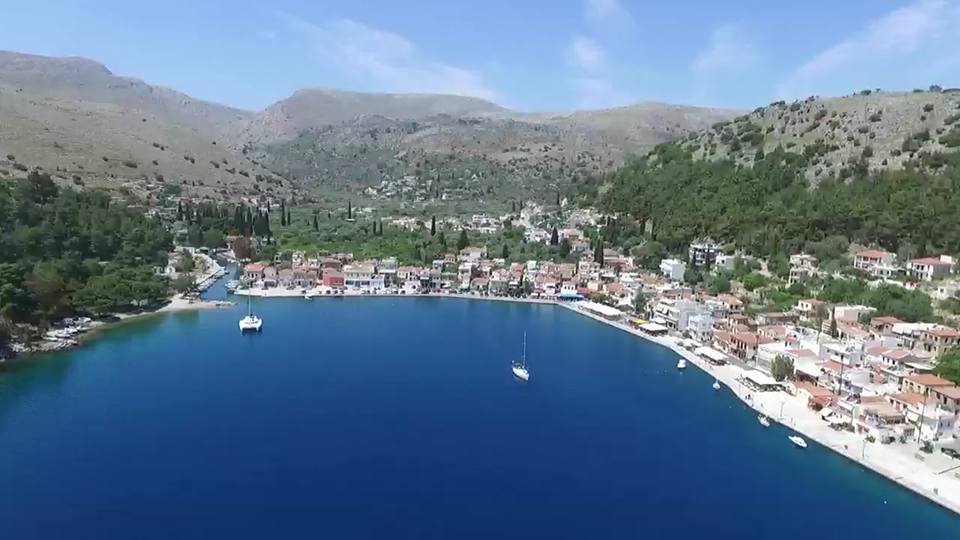
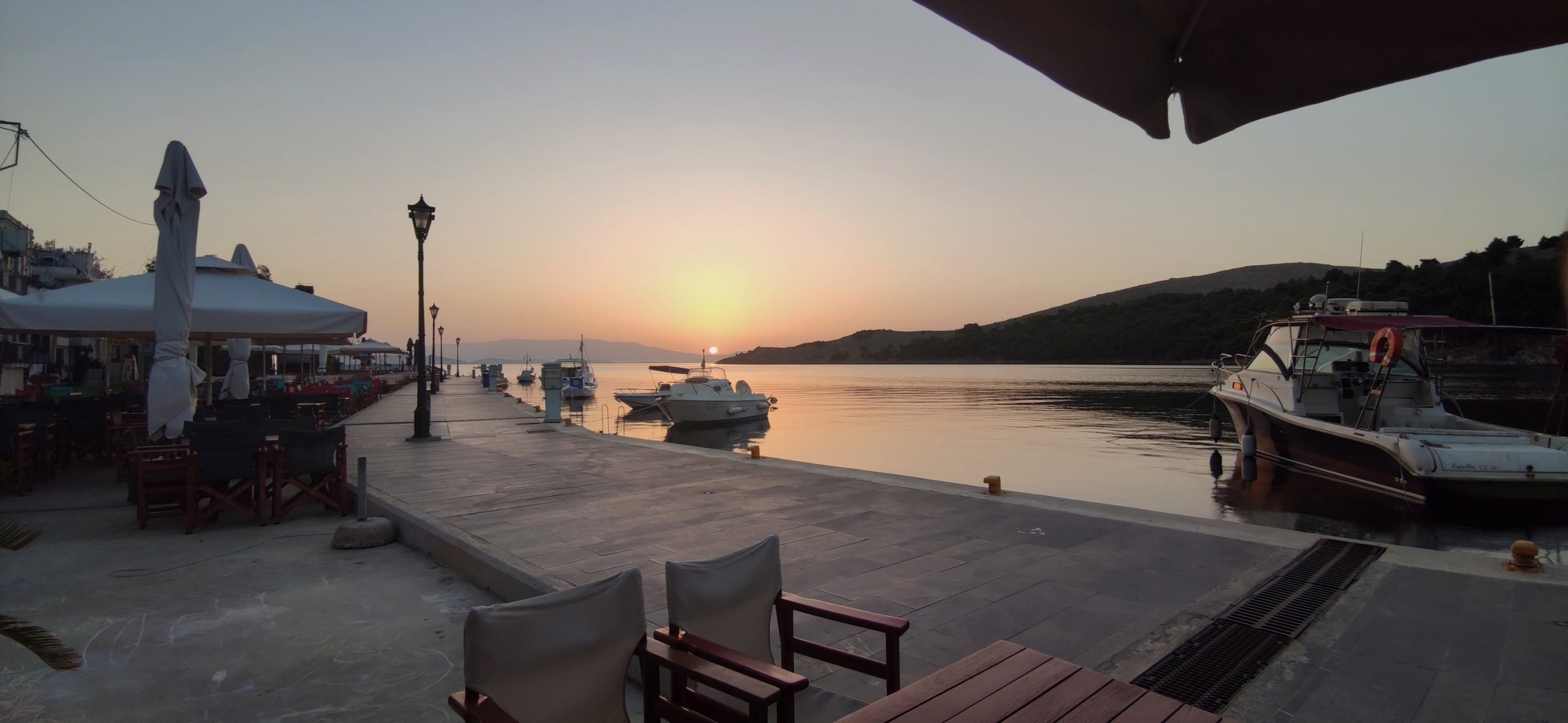
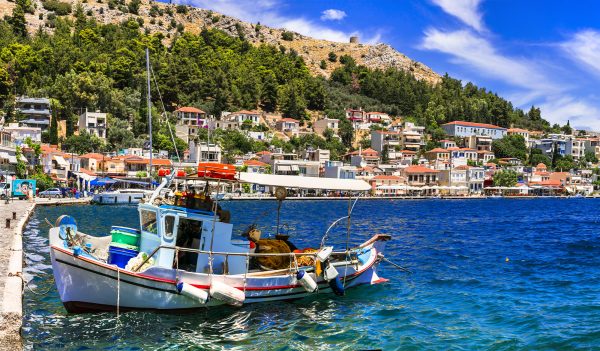
North-east of Chios and at a distance of 16 km from the city is the village of Lagada. Lagada is a small seaside village, amphitheatrically built on the side of a hill, along a wide Lagadi (from which it got its name), with rich vegetation of olives, fruit trees and waters.

Triangle-Icon

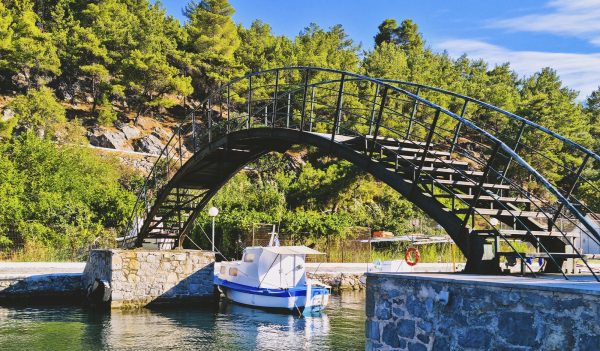
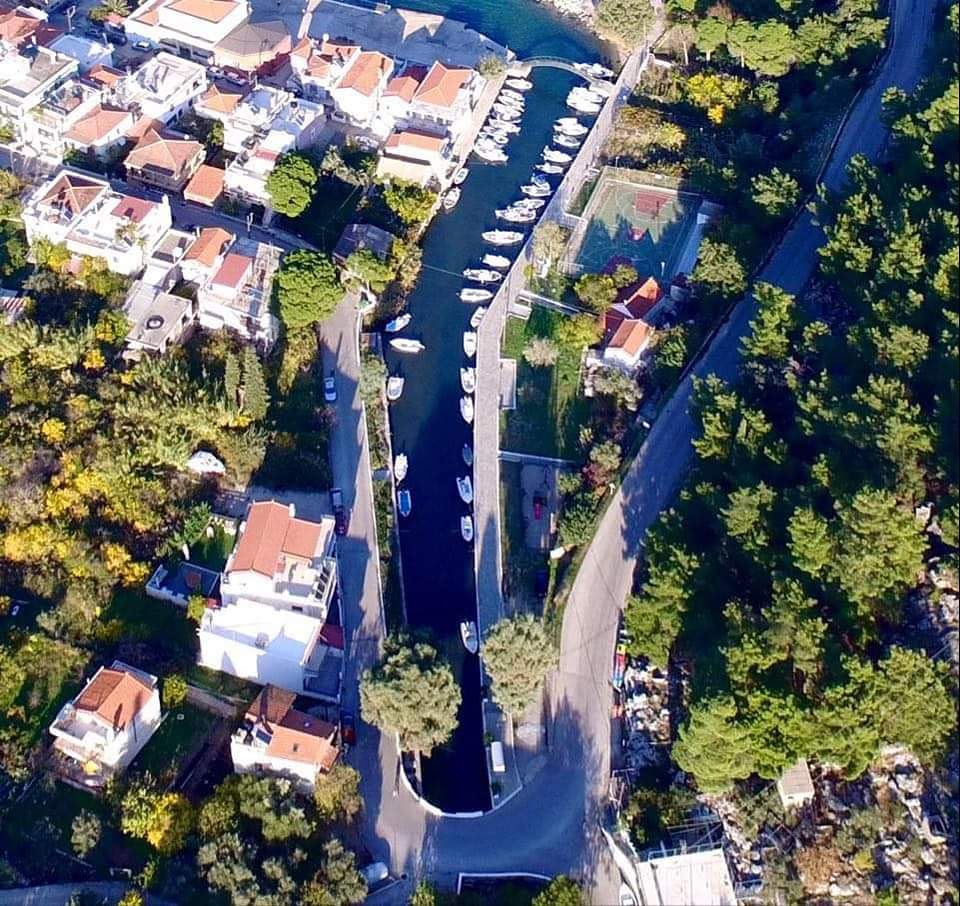
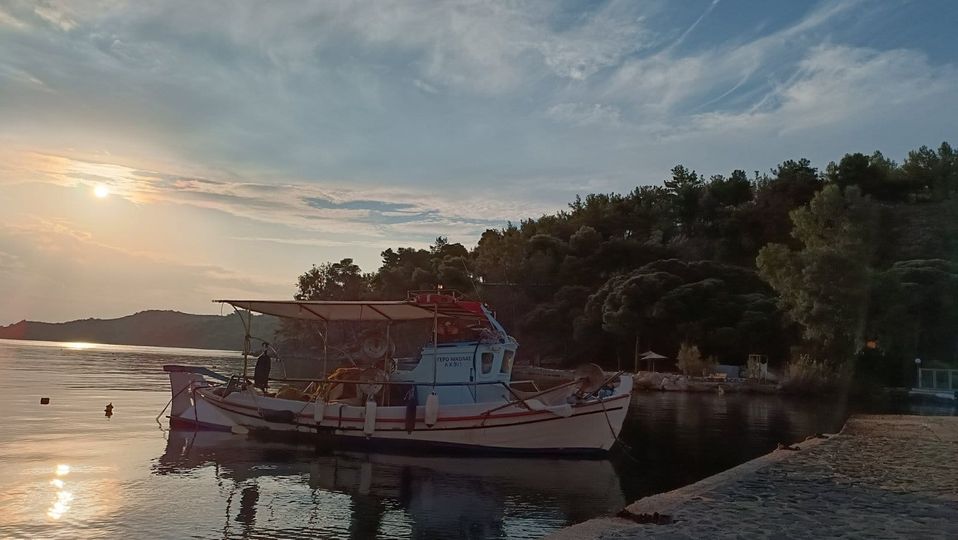
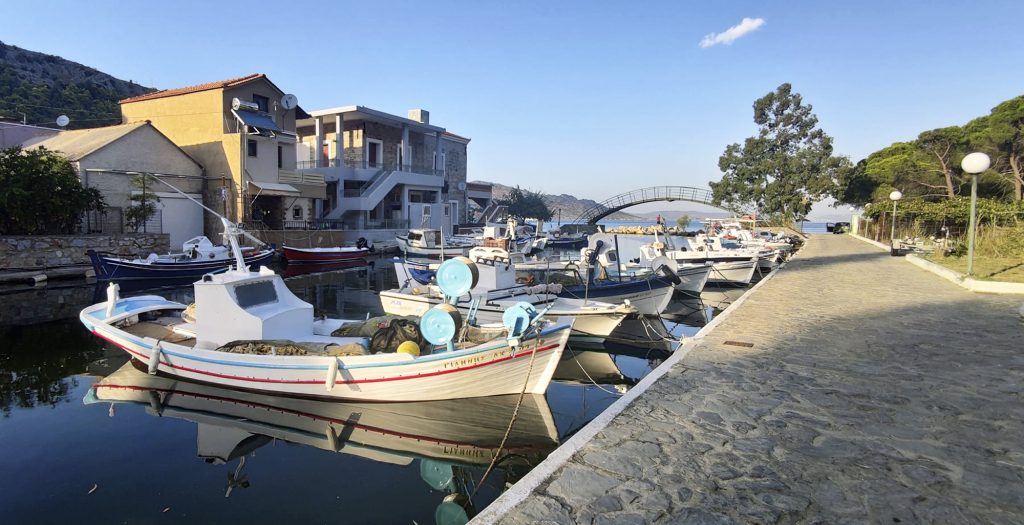
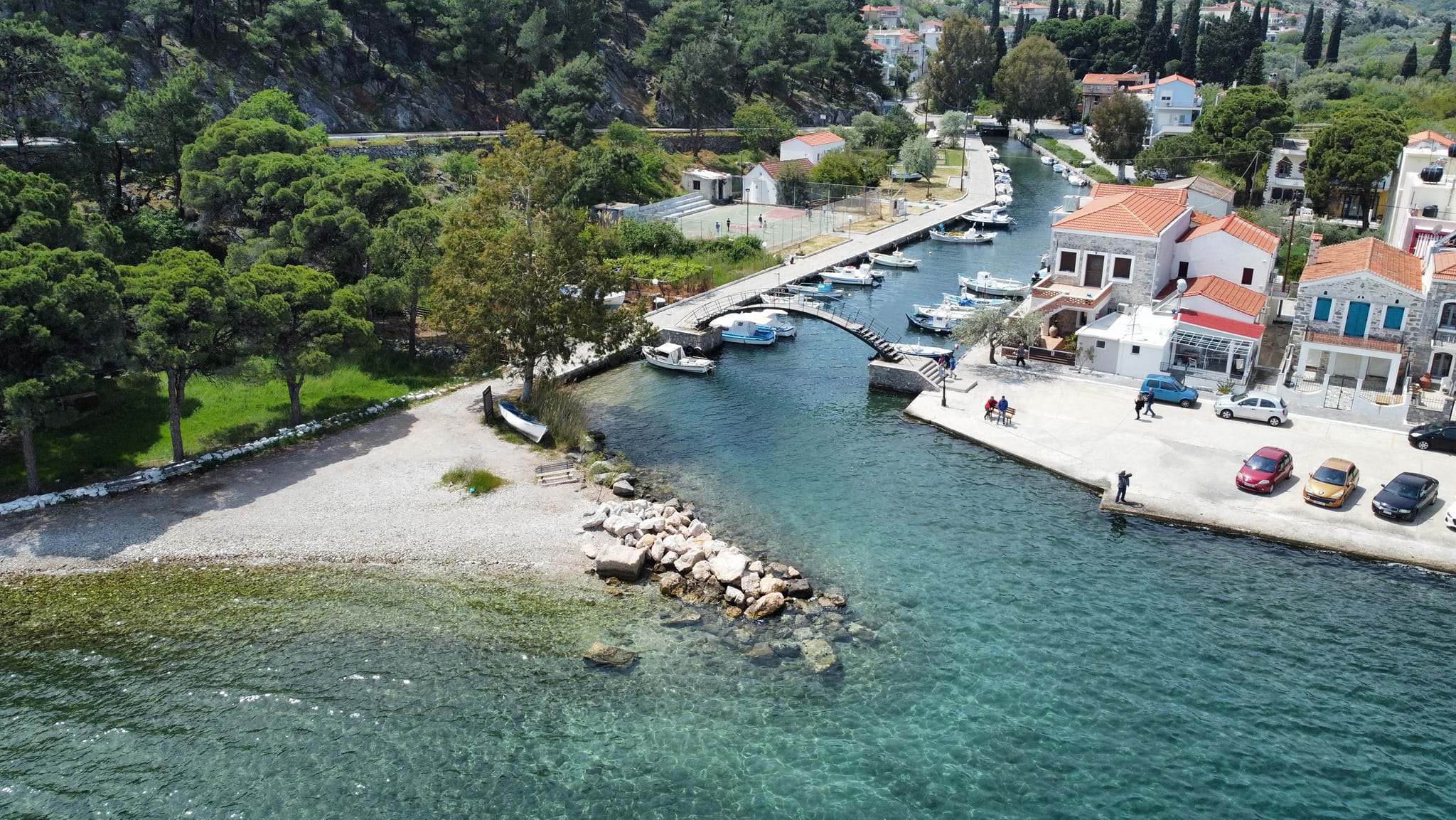
Leaving the picturesque village of Pantoukeios and Agios Isidoros romantic small church, the visitor comes across the pine forest of Karydas, which was planted and cared for by the students of Lagada village in the early 1950s. At the entrance of the village, the narrow canal of Glyfos surrounded by the typical eucalyptus trees welcomes you. There, the fishing boats of the residents of Lagada find safe anchorage. “Glyfos” means “brackish” in Greek, so it got its name from the waters of the springs that end up in it and mix with the sea water.

A characteristic of the village is the narrow alleys through low tiled roofed houses, and beautiful and well-kept courtyards full of flowers.

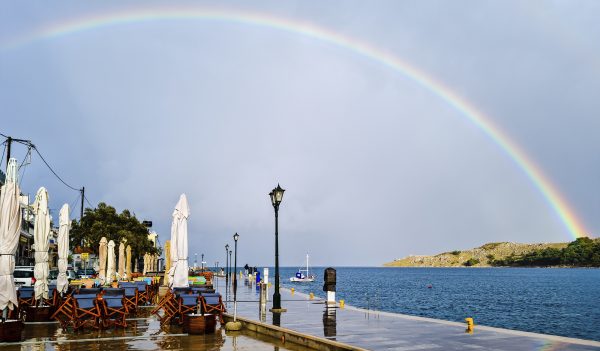
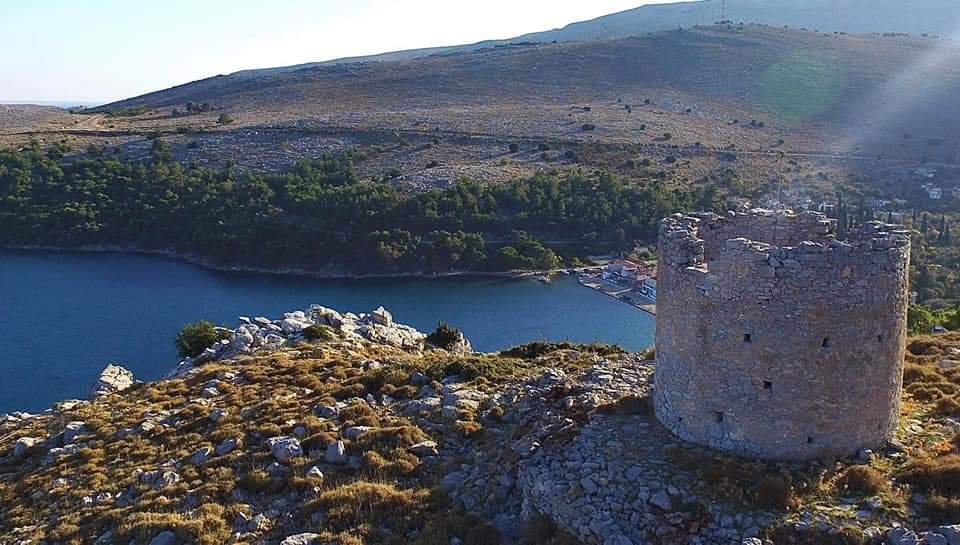
One of the many old windmills that existed in the area and mainly milled wheat stands out on the hill above the village. At the canter of the village, there is the port overlooking the island complex of Oinousses and the coasts of Asia Minor. From the port there is frequent boat-taxi service to and from Oinousses, hence, a visit to the village can be combined with a one-day trip to this beautiful neighboring island.

Authentic traditional Greece - Lagada
Lagada
One of the most beautiful villages in Chios Island.

The best choice to enjoy your food and coffee surrounded by a wonderful natural environment throughout the year.
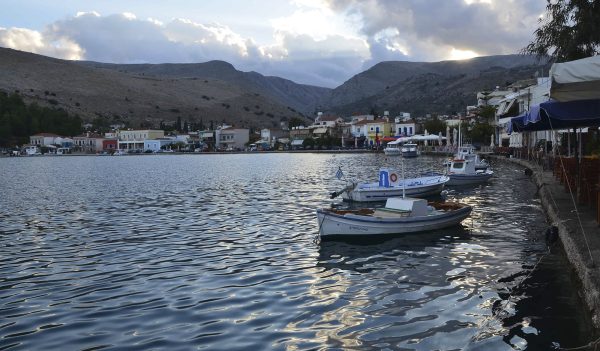
Boat-taxis will take you to Oinousses in about 20 minutes. There is also boat connection to Oinousses from the port of Chios, but from Lagada the routes are more frequent and faster.

The visitor can enjoy beautiful traditional recipes, fine seafood, and drinks by the sea, in the taverns and cafes located around the port.

The inhabitants of Lagada are mainly sailors and freelancers, as well as amateur fishermen.

Καρυδάς
Karydas

There are no organized beaches in the village. Going down and walking through the woods of Karydas you can find small bays with pebbles and rocks, take a breath of fresh air and rest on the wooden benches enjoying another beautiful and different view of the village that few have discovered.
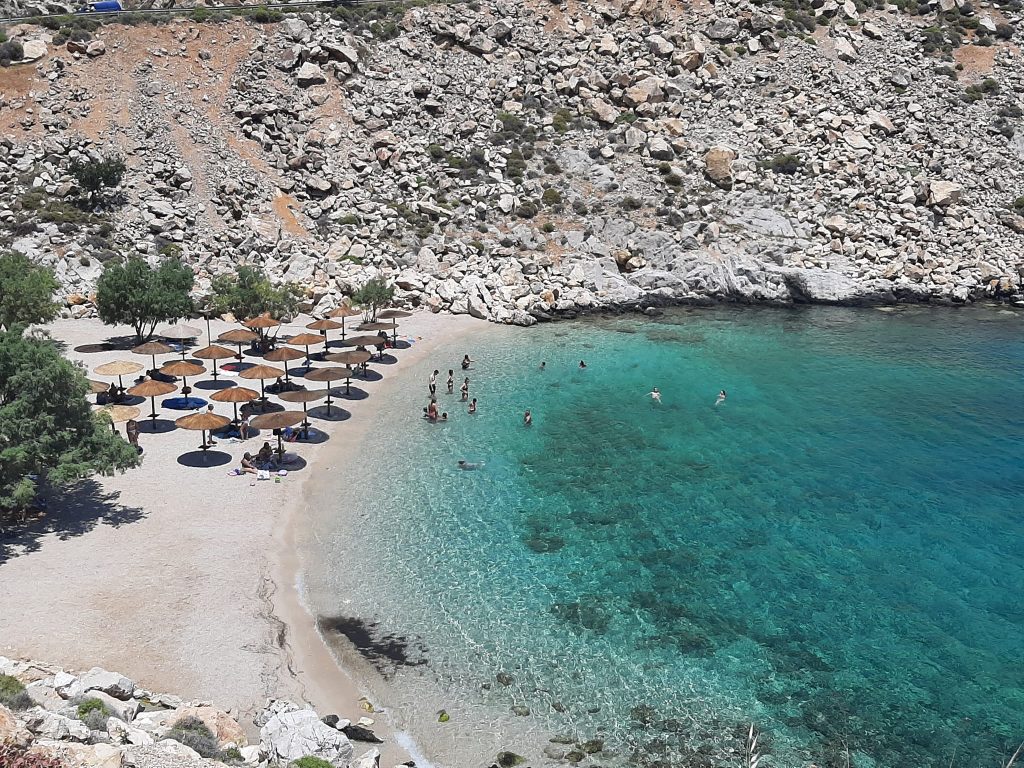
You will be rewarded by the view!

In addition to the main road entering Lagada, access to the woods of Karydas is also available from the beach of Agios Giorgios, next to the metal bridge, following the dirt path. There you can enjoy a dip in the sea and relax under the natural shade offered by the pine trees. On the side of Karydas, there is a small carnage which indicates the inseparable relationship of Lagadas people with the sea, since even today boats of amateur fishermen are being repaired.

Nearest Beaches

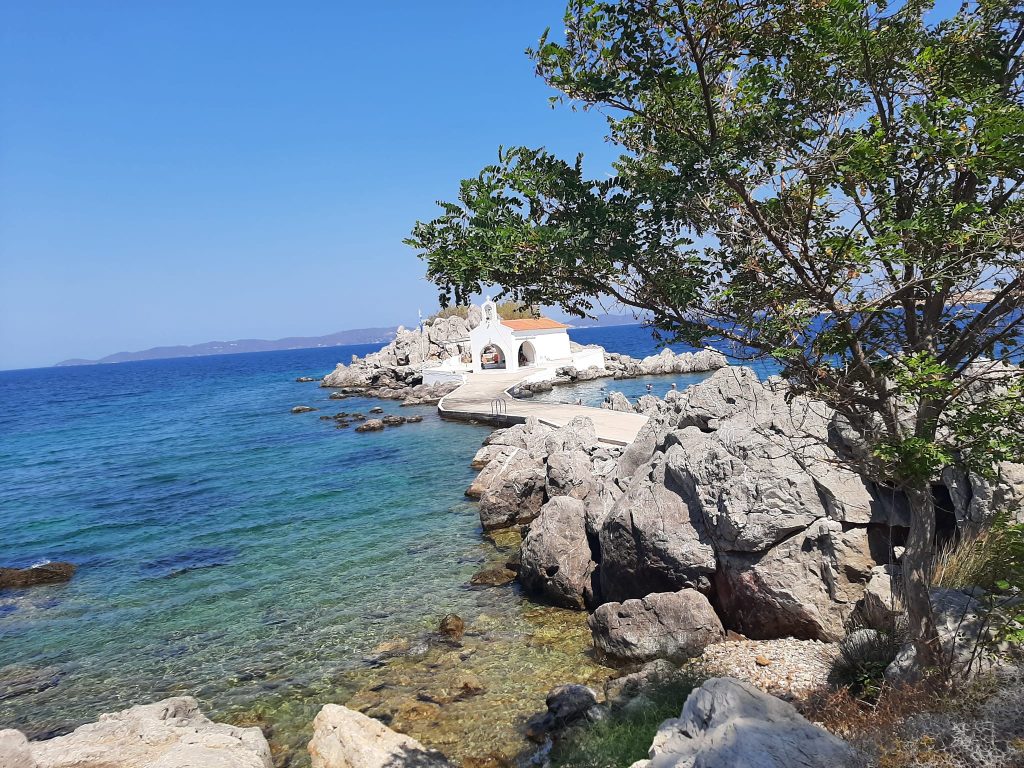
Very close to Lagada, the visitor can enjoy swimming in Mersinidi, a beach with pebbles and turquoise waters, or in the organized Glaroi Beach, where the seagulls, called “glaroi” in Greek, used to find refuge. The white sand, the blue-green waters and the wild beauty of the landscape will fascinate the visitor. Continuing north you meet Pantoukeios Village. The calmness and picturesqueness of the landscape combined with the fine seafood and meze that you can enjoy in the tavern located next to the sea will win you over. Right next to it is the beach of Agios Isidoros with the picturesque small church whose photos have traveled all over the world. There you can swim and relax drinking your cocktail at the Oz Bay cocktail bar.

On the other side of the bay of Lagada to the northeast, another small beach called “Fanaraki”, easily accessible, offers you the possibility to swim while gazing at the island complex of Oinousses and the mountain peaks of the Asia Minor coast. “Fanaraki” beach is adjacent to the “Givari” wetland.

A few words about "Givari"

Givari” is apparently a paraphrase of the Latin “vivarium” which means fish farm, while there are testimonies that during the Byzantine years there was a fish farm in the area. In the northern part of the bay of Lagada, the visitor encounters the Givari wetland, an area with rich flora made up of many endemic species, aromatic plants, century-old plane trees and wildflowers. It is a place of residence for various species of birds as well as a migration station for rare species, where bird watching is a favorite habit of both the residents of the surrounding area and groups that travel from every part of the island. Many visitors from Northern Europe spend endless hours in the area observing and documenting the flight of birds. It is an area of unique natural beauty. The bottom of the bay used to be the resting place of old naval boats of another era, left to their fate to sink slowly into the soft sand until they disappeared from the surface of the water.

Customs of the Area

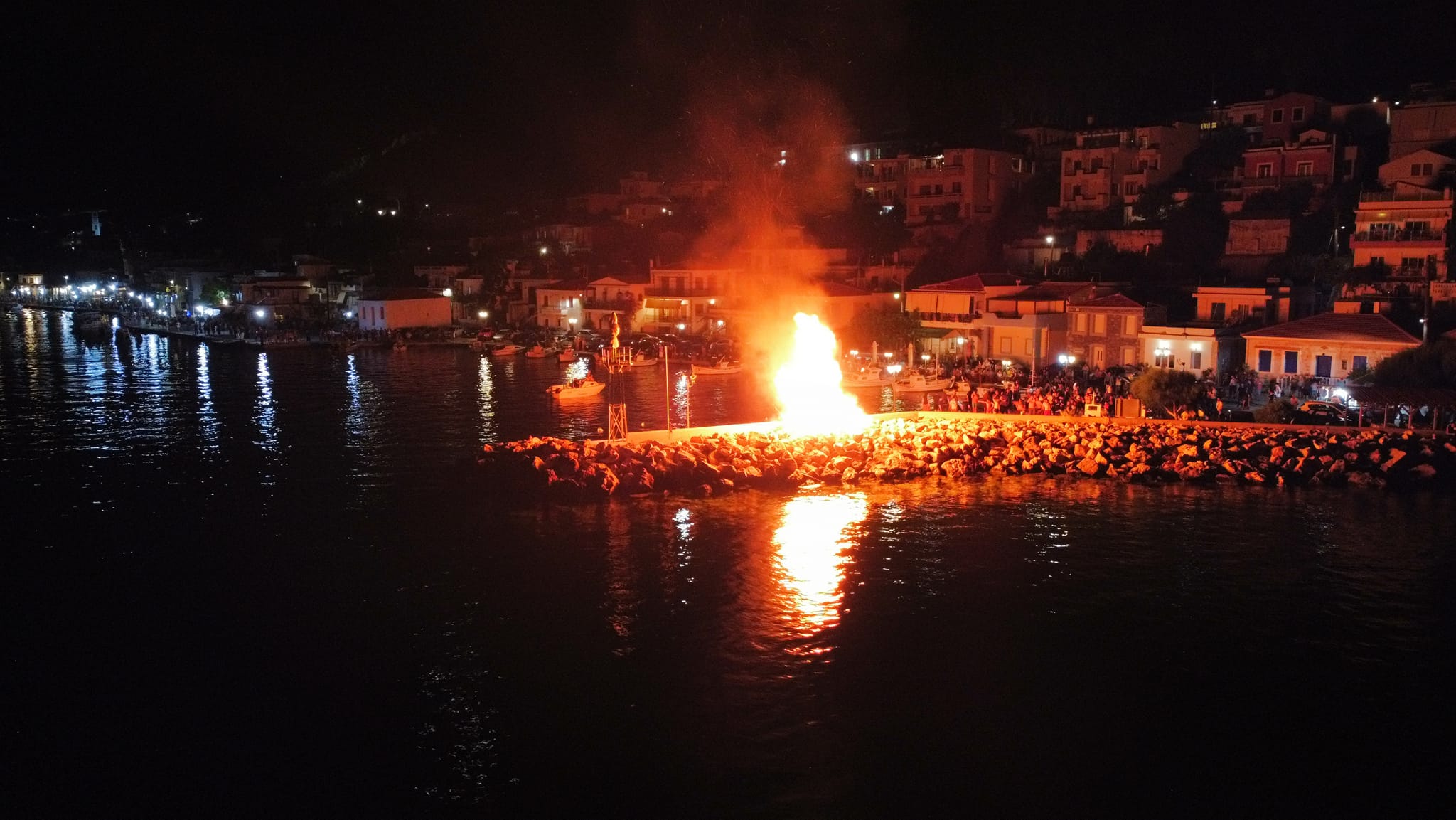
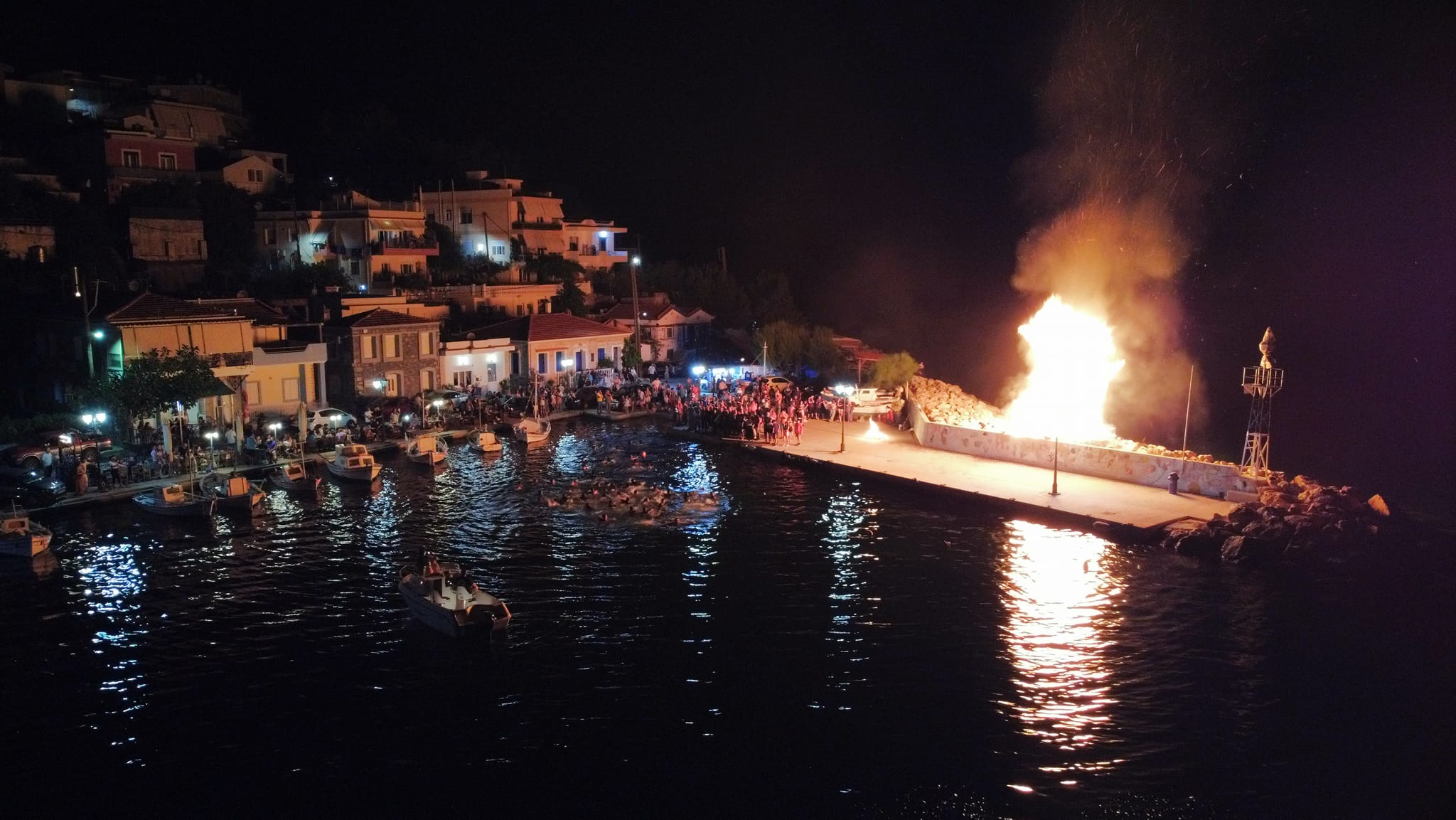
An event worth attending is the revival of the custom with the fires, called “Klidonas”, on the eve of Saint John the Baptist on June 23. The custom calls for burning May Day wreaths. Everyone, young and old, unmarried women, and mothers with children must jump above the fire three times. Tradition wants whoever jumps the fire to take its power, ensuring health and happiness as well as protection from the evil eye. Days before the children collect branches and trunks of fallen trees from the neighboring woods, and together with useless things and old objects they make a big lantern that they light as soon as it gets dark. The custom is accompanied by the customary dip in the sea by the children. The sight is impressive and unique. According to tradition, Saint John of Fanistis’ mother notified her neighbours that she was in labor pains using big fires. After the fires extinguish, the inhabitants use the ashes of the fire for purgative purposes by sprinkling the fields, animals and even the house.

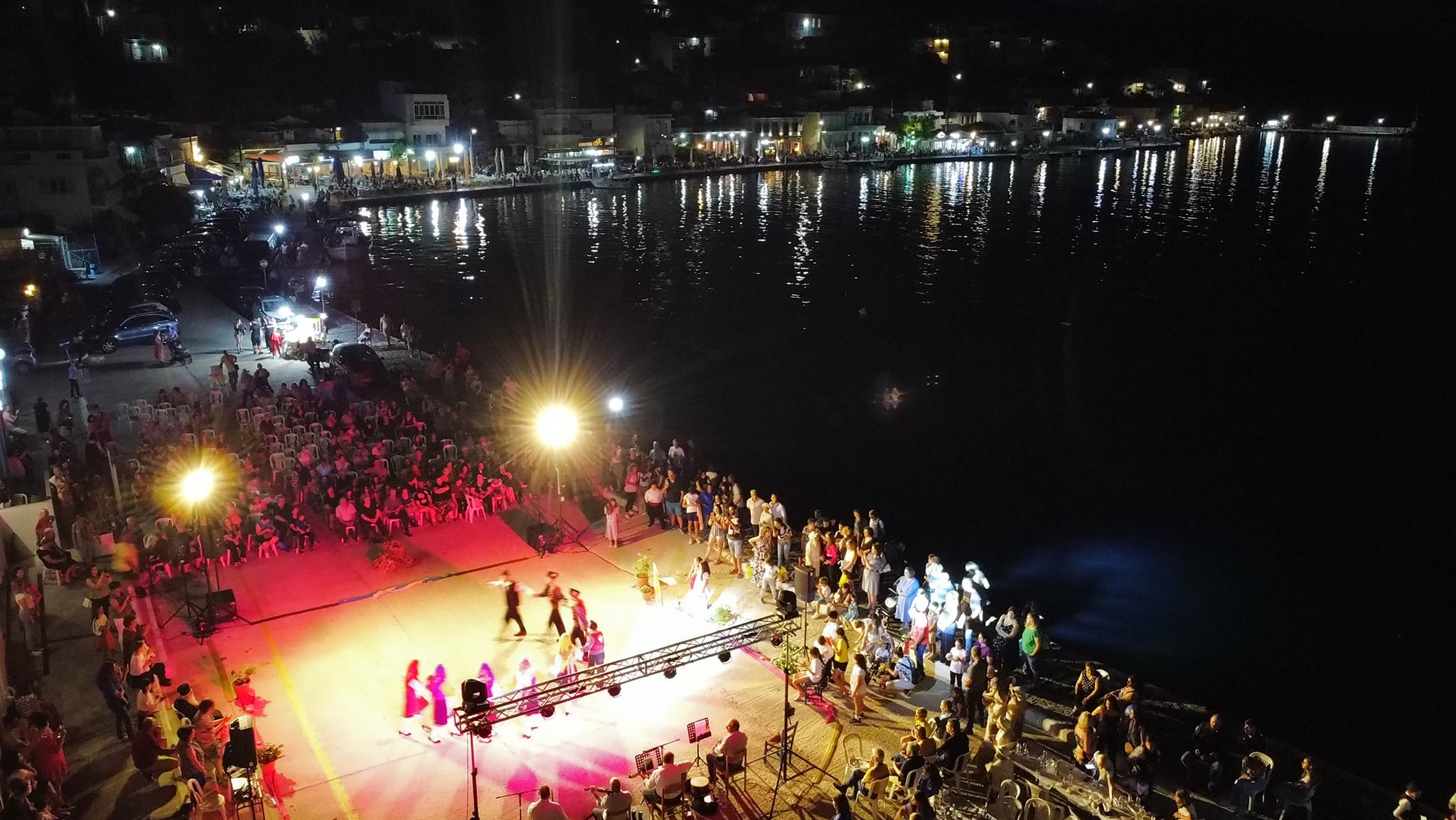
The custom of Klidonas is revived by the Cultural Association of Lagada “Kydianda” in the event “We light fires in the neighborhoods” and is accompanied by a rich program of traditional dances and the lighting of a small fire.

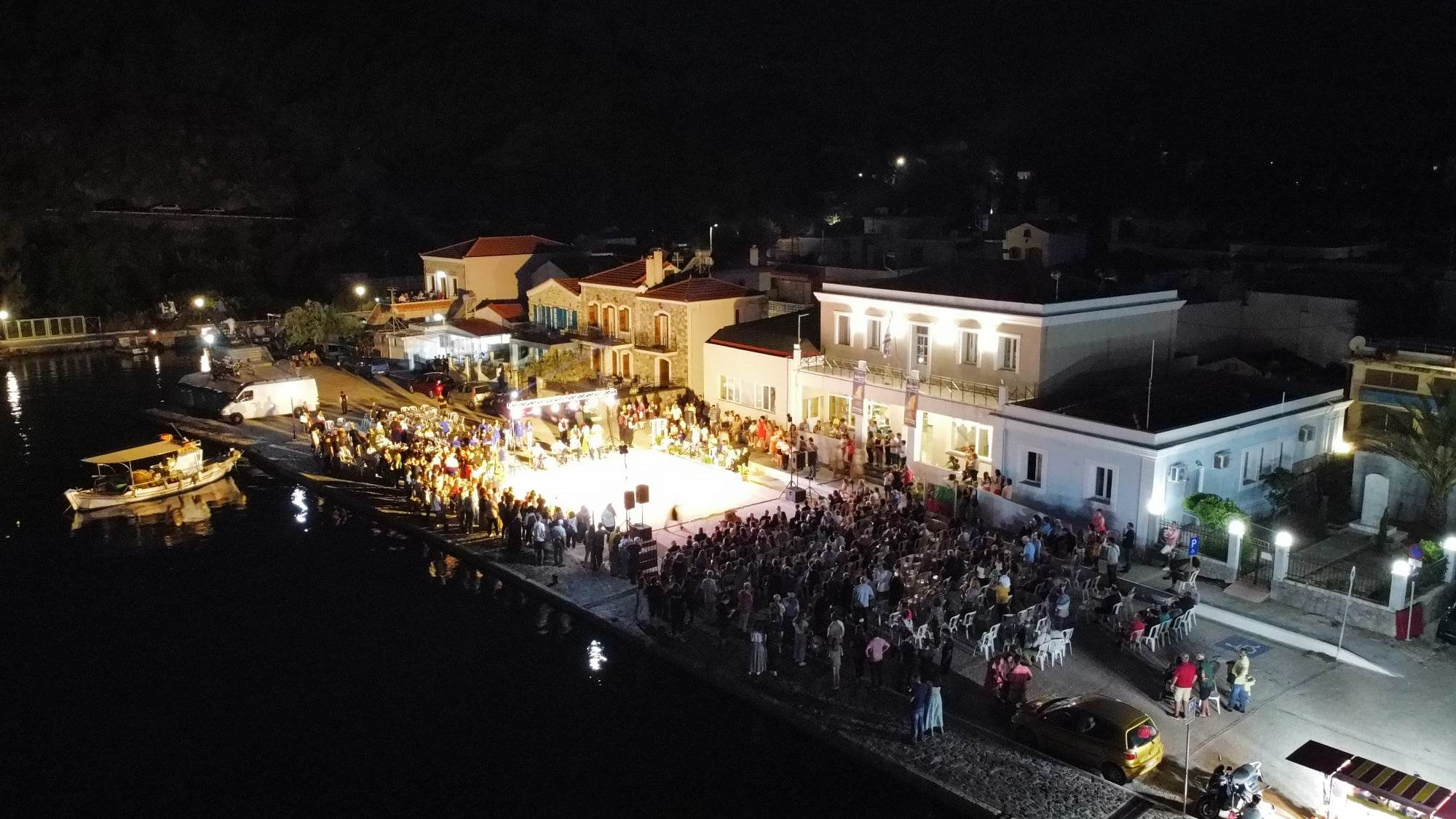
Another custom worth attending is the local festival of Agia Sophia on the 17th of September. This is the only church in Chios dedicated to Agia Sophia and her daughters. On that morning after the Divine Liturgy, a traditional desert, called “loukοumades”, made by the housewives are served outside the church, as well as ouzo and other local sweets. In the evening at the edge of the harbor a feast is set up with instruments and traditional local dances.

A visit to the historical village of Kydianta is of particular interest. It is one of the abandoned mountain villages in Chios and it is located west of Lagada passing Agrelopos. It is not visible from the road leading to Lagada. There the visitor can see the well-preserved churches of Agios Yannis and Agia Anastasia which the residents still operate symbolically, thus showing the need they have to revive their village. In fact, residents have been singing the Passions of Jesus Christ without the presence of a priest in the church of Ai-Yannis on the morning of Holly Friday, since 70s. This tradition has become known throughout Greece (and beyond), since the beginning of 2000, thanks to the power of television. Every year, more and more residents of Lagada whose ancestors come from Kydianta attend this service, giving the message that even once a year the ruined villages of the Greek countryside can come alive. On St. Thomas’ Sunday, the church of Agia Anastasia (Saint Anastasia, as the locals say) is open, where after the service everyone celebrates and has fun around a rich table with fine mezes.

Finally, a big festival is set up on the eve of the fifteenth of August next to the sea by the Sports Club of Lagadas-Sikiadas “THE UNION”, which lasts until the morning, enjoying the sunrise.
Cultural Associations and Unions are active in Lagada throughout the year with interesting workshops and events.

A few words about Kydianda

Kydianda is a historical village that played an important role in the revolution of 1821. In 1822, during the great massacre of Chios, the inhabitants left the village and arrived at Kavo Melanios to escape by boat. Those who remained in the village hid in a cave near the church of Agios Ioannis, but were “betrayed” by the cry of a baby and massacred by the Turks. In fact, the Turks caught the priest of the village, Konstantis, while he was officiating, and he died a martyr’s death. After 1830, the village begins to regain life. But the plague of 1835, the devastating earthquake of 1881 and the last one of 1948 led the village to its final desolation. 1948 is the last year the school operated. Kydianda was a stronghold of the rebels during the German occupation and many of the inhabitants were of leftist beliefs. However, it did not withstand the blow of the civil war, so its inhabitants began to leave it at a rapid pace. The village was permanently abandoned and the majority of the inhabitants moved to Lagada.

To reach Kydianta, cross the houses of the settlement of Agrelopos and then follow a narrow concrete road of approximately 2.5 kilometers that is accessible by car.

Anyone who is interested in finding out more information and details about the region, the customs and traditions, the events and festivals can be informed from the website of the Cultural Association of Lagada “Kydianda” at www.lagadousika.gr, which has provided us with a lot of information mentioned above.

Also, it is possible to organize walks and tours in the area upon request.